
11 Things To Do In Beloit That Give You FOMO If You Miss
Beloit, Wisconsin, isn’t trying to be flashy—but that’s exactly what makes it great. This small city on the state line has grit, charm, and just enough weirdness to keep things interesting. Downtown is full of character with historic buildings, art galleries, a riverfront park, and spots to grab seriously good coffee or craft beer. It’s also home to Beloit College, which adds an artsy, academic vibe to the local mix. You’ve got indie bookstores, mural-covered alleys, and a farmers’ market that locals don’t mess around with.
Start your day at Turtle Creek or take a walk along the Rock River—Beloit’s got scenic trails that are easy on the legs and big on views. The Beckman Mill, a working gristmill from the 1860s, gives off serious “living history” energy, and it’s still running. Museums, vintage shops, community theaters, and outdoor festivals round out a calendar that’s surprisingly full year-round. From riverfront yoga to classic car nights, this town stays busy in the best way. So if you’re wondering about the best things to do in Beloit, the real answer is: slow down, explore, and let the city surprise you. It always does.
1. Beloit College
Beloit College was founded in 1846, only two years before Wisconsin became a state. The institution was created by New England settlers who wanted to establish a center for higher education in the developing Midwest. The campus sits along the Rock River, which played an important role in the early settlement and economic growth of Beloit.
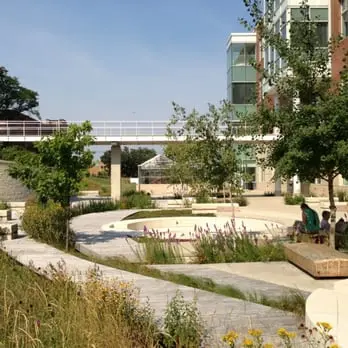
Several buildings on campus date from the nineteenth century. Middle College, completed in 1867, is one of the oldest structures and served as the main academic building for many years. Early campus architecture often used local limestone, a common building material in southern Wisconsin.
The college also became known for academic research and international study programs. Its Logan Museum of Anthropology, established in 1894, developed through archaeological fieldwork and academic collections gathered by faculty and students.
2. Logan Museum of Anthropology
The Logan Museum of Anthropology is located on the campus of Beloit College. The museum was founded in 1894, making it one of the oldest anthropology museums associated with a college in the United States.
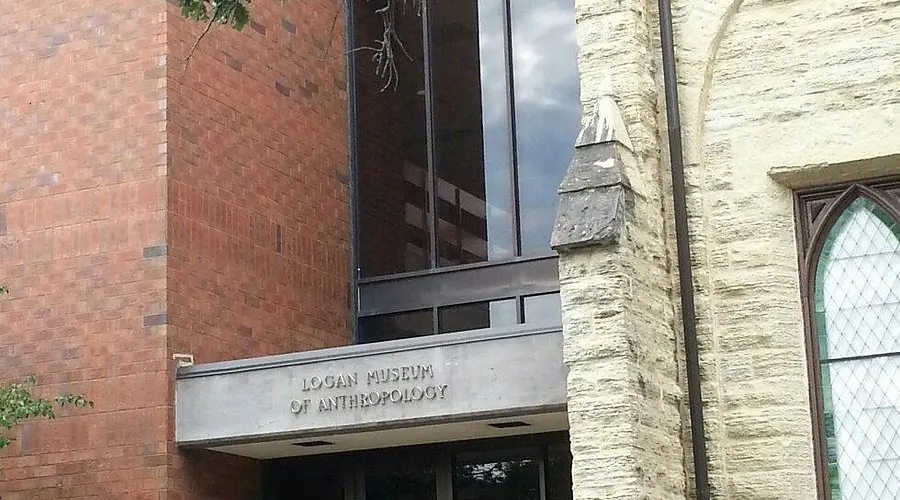
The museum developed from early archaeological expeditions carried out by Beloit College researchers. These expeditions collected artifacts from North America as well as other regions of the world. Over time the collections expanded to include objects representing many different cultures and historical periods.
The museum also supports academic research and teaching at Beloit College. Exhibits often explore themes such as cultural traditions, archaeological discoveries, and the study of human societies. Through these collections, the museum helps explain how anthropology examines human history, culture, and adaptation across different environments.
3. Beckman Mill
Beckman Mill is a historic water-powered gristmill located just outside Beloit along Spring Brook, a small tributary of the Rock River. The mill was built in 1868 by German immigrant Cornelius Beckman. During the nineteenth century, mills like this played an important role in rural communities by grinding grain into flour and animal feed.
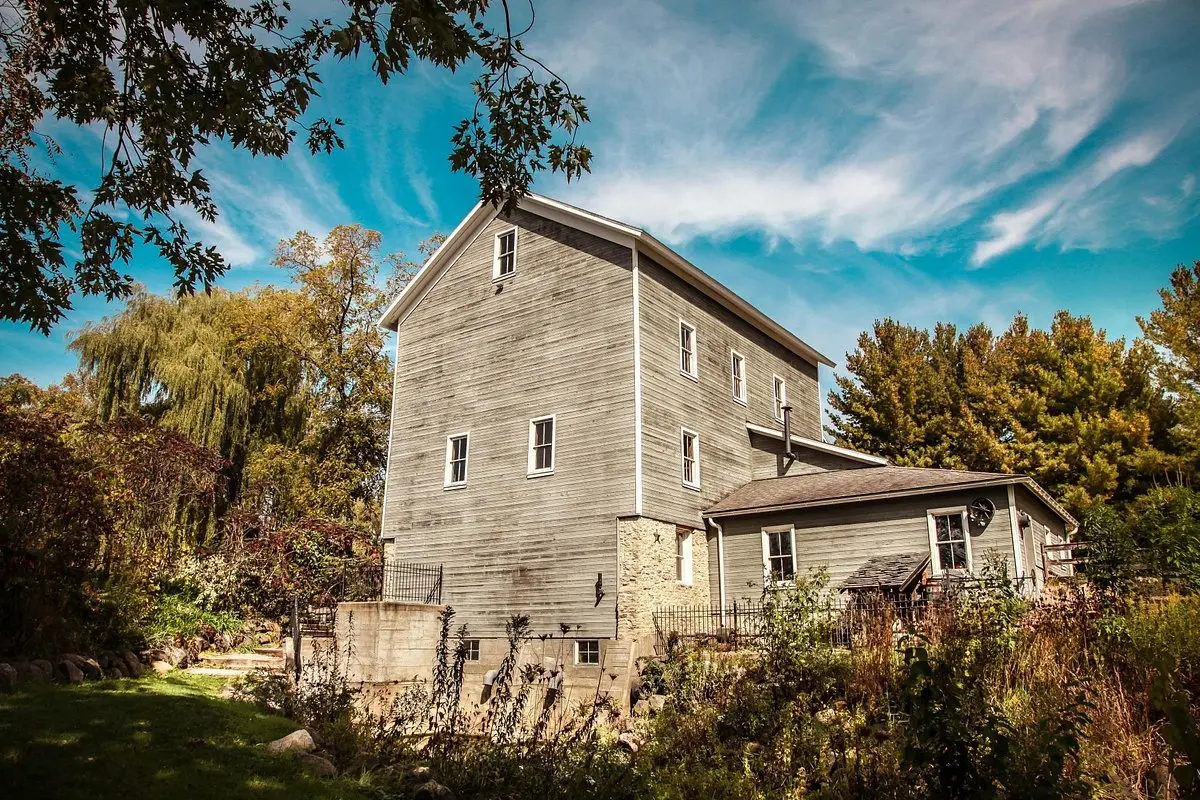
The mill operated using a large waterwheel powered by the flow of Spring Brook. Water from the stream was directed through a dam and channel system that turned the wheel. The rotating wheel powered mechanical equipment inside the building, which crushed grain between large millstones.
Farmers from surrounding areas brought corn, wheat, and other grains to the mill to be processed. This system allowed local agriculture to support both food production and small-scale industry in the region.
4. ABC Supply Stadium
ABC Supply Stadium is a modern baseball stadium located along the Rock River in downtown Beloit. The stadium opened in 2021 and serves as the home field for the Beloit Sky Carp, a Minor League Baseball team affiliated with Major League Baseball.
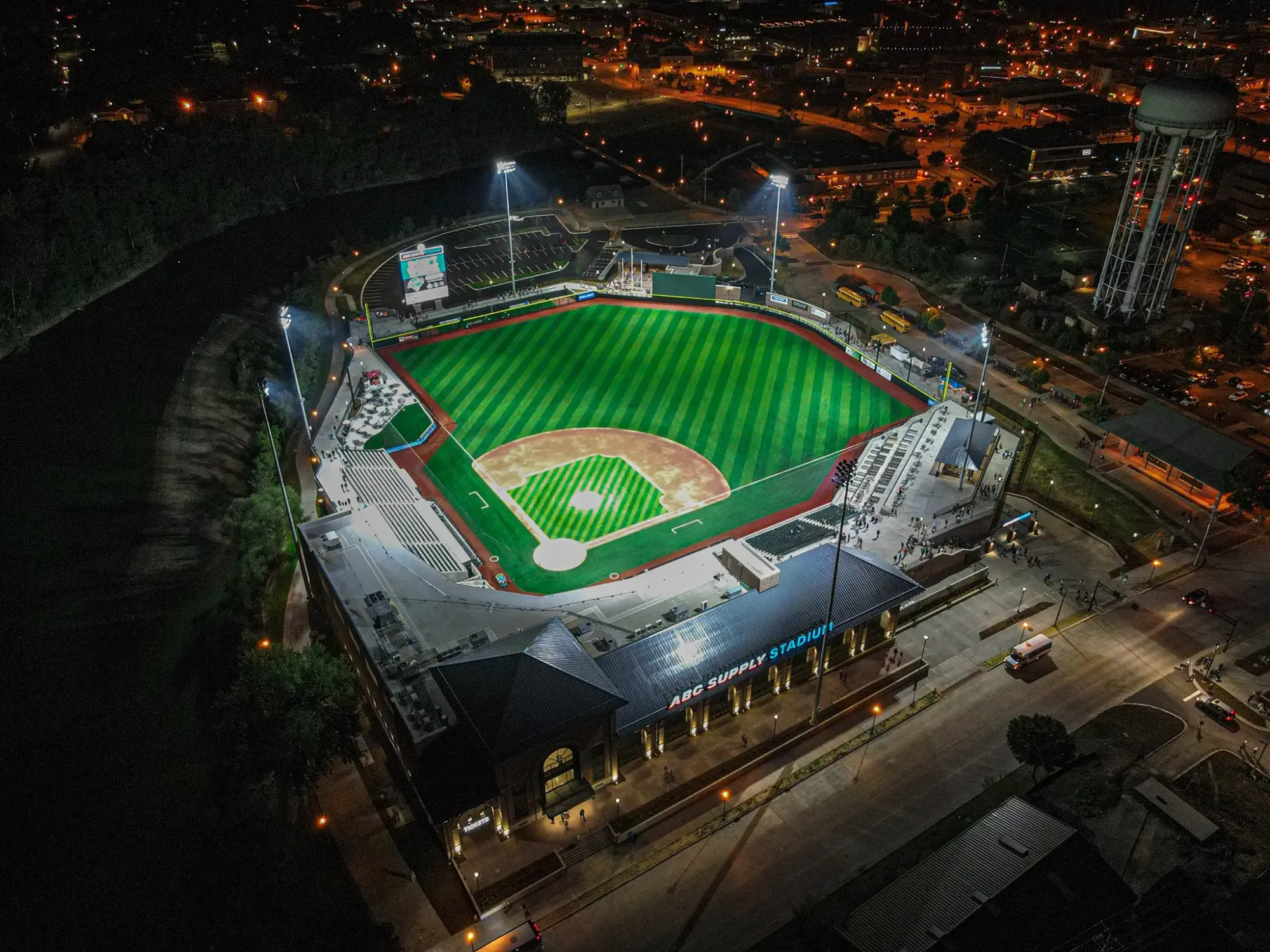
The stadium was built as part of a large riverfront redevelopment project designed to revitalize Beloit’s downtown area. For many decades the riverfront was dominated by industrial buildings connected with manufacturing. As industry declined in the late twentieth century, the city began converting parts of the riverfront into public and recreational spaces.
The stadium holds about 3,800 spectators and features seating areas, concessions, and views of the Rock River beyond the outfield. Its design places the ballpark within walking distance of downtown Beloit and nearby restaurants.
5. Big Hill Park
Big Hill Park is one of the largest and most distinctive natural areas in Beloit. The park covers about 190 acres and includes wooded hills, walking trails, and open green areas. Much of southern Wisconsin is relatively flat farmland, so the hills and forests in this park stand out in the surrounding landscape.
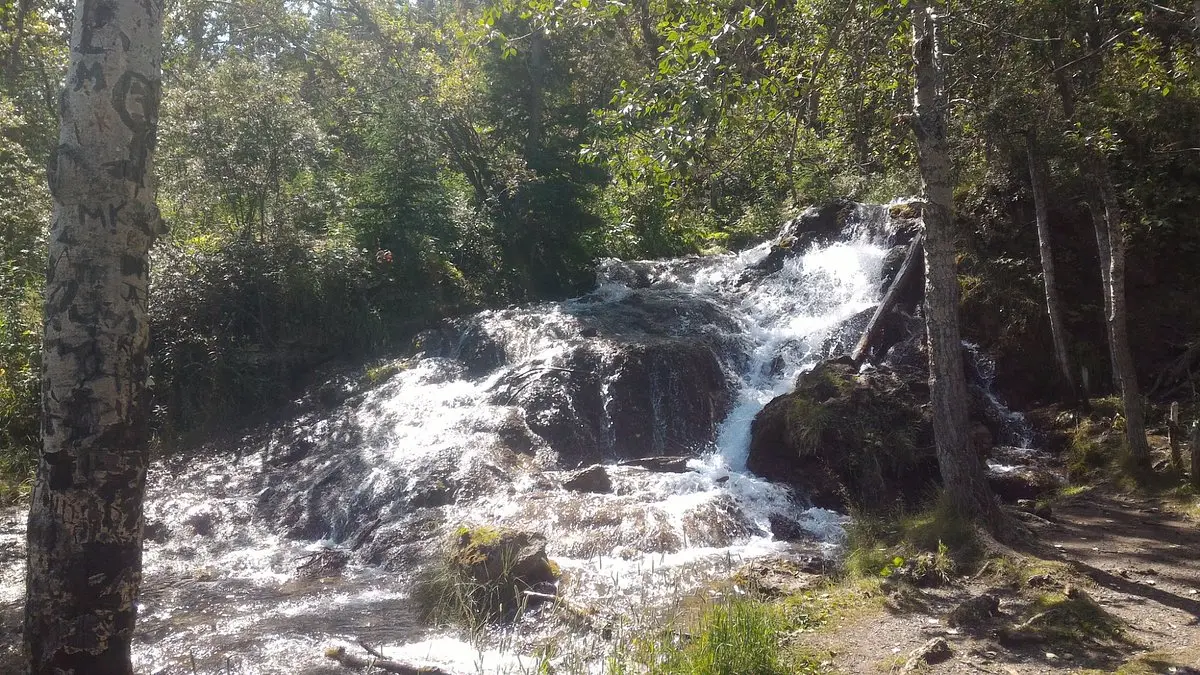
The park developed gradually during the early twentieth century, when Beloit began setting aside land for public recreation and conservation. Urban parks were becoming common across American cities during this period as planners recognized the need for green space within growing communities.
The terrain includes oak and maple forests that support wildlife such as deer, squirrels, and many bird species. Trails wind through the wooded areas and connect different sections of the park.
6. Hanchett-Bartlett Homestead
The Hanchett-Bartlett Homestead is one of the oldest preserved homes in Beloit. The house was built in 1857 using local limestone, a material commonly used in southern Wisconsin during the nineteenth century because it was durable and widely available.
The home originally belonged to Joseph Hanchett, an early Beloit settler who was involved in local business and community development. Later the property became associated with the Bartlett family, another family active in the city’s civic life.
Homes from this period often combined living space with areas used for work, storage, and household production. Furniture, tools, and household objects displayed in the museum illustrate daily life during the nineteenth century.
7. Beloit Railroad Depot
The Beloit Railroad Depot reflects the role rail transportation played in the city’s growth during the nineteenth century. Railroads expanded rapidly across the Midwest after the 1850s, connecting industrial towns with larger regional markets. Beloit’s location near the Illinois–Wisconsin border made it an important point along several rail lines.
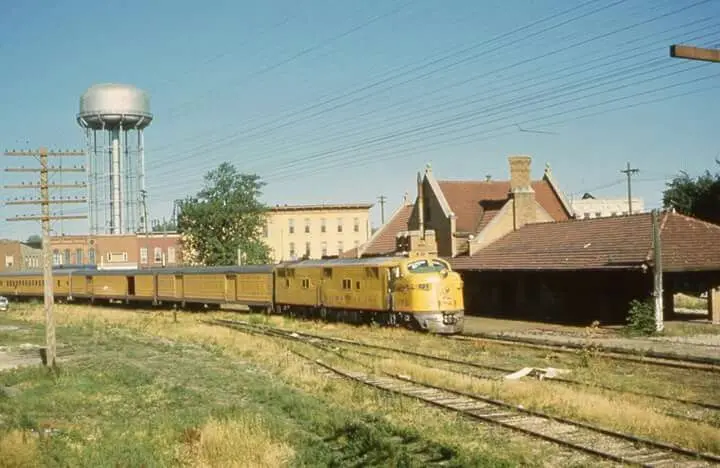
Passenger depots served as transportation hubs where travelers boarded trains and goods were loaded for shipment. Manufactured products from Beloit’s factories, including machinery produced by Beloit Iron Works, could be transported efficiently to other parts of the United States.
Railroads also supported migration and commerce by linking smaller cities to major urban centers such as Chicago, located about 90 miles southeast of Beloit. The depot building represents this period when rail travel dominated long-distance transportation.
8. Nature at the Confluence
Nature at the Confluence is a conservation area located just south of Beloit where Turtle Creek flows into the Rock River. The meeting of these waterways creates wetlands and floodplain habitats that support a wide variety of plants and animals.
Wetlands like these play an important ecological role. They filter water, reduce flooding, and provide habitat for birds, amphibians, and other wildlife. In many parts of the Midwest, wetlands were drained for agriculture during the nineteenth and twentieth centuries, which reduced natural habitat areas.
The site now focuses on habitat restoration and environmental education. Restoration projects have reintroduced native prairie grasses and wetland plants that once covered large areas of southern Wisconsin and northern Illinois.
9. Downtown Beloit Historic District
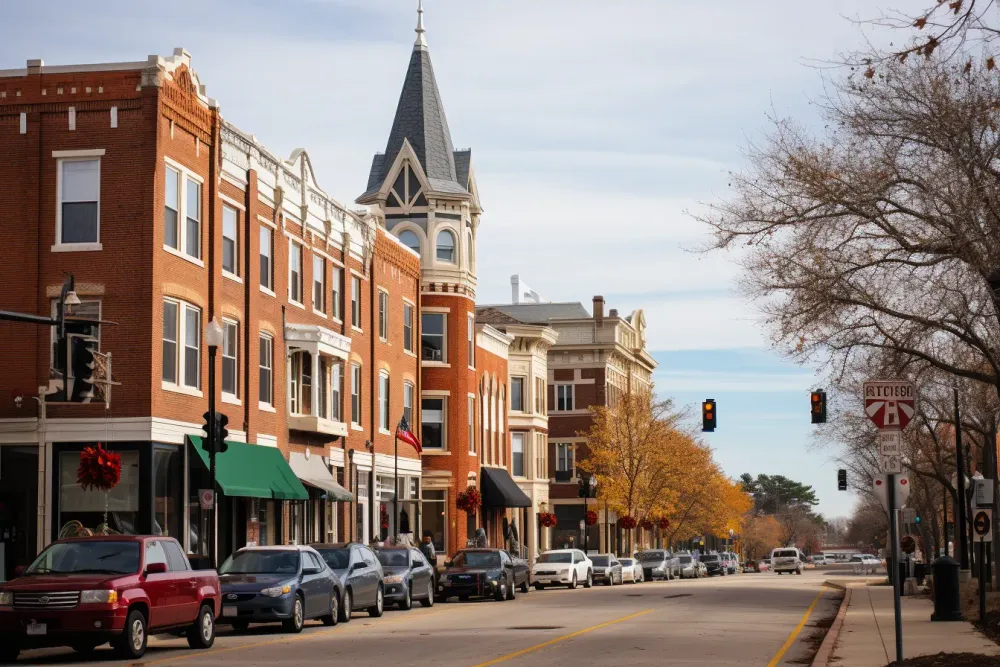
The Downtown Beloit Historic District forms the commercial and historical center of the city. Development began in the mid-1800s, when industries powered by the Rock River created jobs and attracted workers and merchants to the area.
Many of the buildings visible today were constructed between 1870 and the early 1900s. Earlier wooden structures were replaced with brick and stone buildings after several fires damaged parts of the town during the nineteenth century. These stronger materials helped protect businesses and gave downtown its distinctive architectural appearance.
Streets such as State Street and Grand Avenue became important commercial corridors. Two- and three-story buildings housed banks, hotels, offices, and general stores that served residents and travelers moving through the region.
10. Rock River
The Rock River flows directly through Beloit and has shaped the city’s development since the early nineteenth century. The river begins in southern Wisconsin and travels about 299 miles through Wisconsin and Illinois before joining the Mississippi River.
During Beloit’s early history the river provided an important source of water power. Mills and factories built along its banks used the moving water to operate mechanical equipment. This energy helped support industries such as grain milling, metal manufacturing, and paper-making machinery production.
The river also served as a natural transportation corridor and influenced the layout of the city. Early settlements developed near the riverbanks because access to water was essential for both industry and daily life.
11. Rock River Rapids
Rock River Rapids is a large public aquatic center located in Beloit. The facility opened in 2019 as part of the city’s effort to expand recreational amenities and replace older municipal swimming pools.
The complex includes several pools, water slides, splash areas, and recreation spaces designed for both children and adults. Features such as lap lanes and shallow play areas allow different types of swimming activities within the same facility.
Public swimming pools became common in American cities during the early twentieth century as municipalities began developing organized recreation programs. These facilities were intended to provide safe swimming environments and improve public health during summer months.
Rock River Rapids reflects a modern version of this tradition. The design combines recreational features with community gathering areas and seasonal events. Located near residential neighborhoods and parks, the aquatic center functions as one of Beloit’s primary summer recreation sites.
Conclusion
Beloit might not be the loudest name on the map, but it’s got character for days. This city mixes Midwestern charm with college-town energy, giving you just the right balance of history, culture, and green space. One minute you’re checking out ancient artifacts at a campus museum, the next you’re hiking a ridge with river views or catching live music downtown. There’s real variety here—and it’s all packed into a walkable, welcoming place.
If you’re looking for things to do in Beloit, you’re not going to come up short. Art, food, local shops, quirky festivals, and natural beauty—it’s all in the mix. The town doesn't try to be flashy, and that's part of the appeal. It invites you to slow down, explore a little, and appreciate the details. So grab a coffee, hit the farmers' market, take that hike, or find a new favorite corner downtown. Beloit’s the kind of place that sneaks up on you—in the best way.
Best Places to Eat in Beloit
| # | Restaurant | Cuisine / Specialty | Average Price Per Person (Food Only) |
|---|---|---|---|
| 1 | :contentReference[oaicite:2]{index=2} | Fine dining / Supper Club | $30–$50 |
| 2 | :contentReference[oaicite:3]{index=3} | Steakhouse / Classic American | $50–$100 |
| 3 | :contentReference[oaicite:4]{index=4} | Fine dining / American | $20–$30 |
| 4 | :contentReference[oaicite:5]{index=5} | Steaks & American Classics | $25–$45 |
| 5 | :contentReference[oaicite:6]{index=6} | Café / Farm-to-Table Brunch & Lunch | $12–$25 |
| 6 | :contentReference[oaicite:7]{index=7} | Casual American Pub | $10–$20 |
| 7 | :contentReference[oaicite:8]{index=8} | Bar & Grill / Comfort Food | $10–$20 |
| 8 | :contentReference[oaicite:9]{index=9} | Bar & Grill classics | $10–$20 |
| 9 | :contentReference[oaicite:10]{index=10} | Mexican & Tex-Mex | $12–$22 |
| 10 | :contentReference[oaicite:11]{index=11} | Breakfast & Brunch | $10–$20 |
| 11 | :contentReference[oaicite:12]{index=12} | Pizza & Italian | $10–$20 |
| 12 | :contentReference[oaicite:13]{index=13} | Classic diner & comfort food | $10–$20 |
Day Trips From Beloit
| Location | Distance from Beloit | Top Things to Do |
|---|---|---|
| Lake Geneva, WI | Approx. 55 mi / ~90 mins |
1. Scenic Lake Shore Path walk 2. Geneva Lake boat cruises 3. Historic estate tours 4. Boutique shopping 5. Golf and spa options |
| Rockford, IL | Approx. 30 mi / ~40 mins |
1. Anderson Japanese Garden 2. Discovery Center Museum 3. Rockford Art Museum 4. Nicholas Conservatory & Gardens 5. Shopping & dining districts |
| Madison, WI | Approx. 85 mi / ~1.5 hrs |
1. Visit the State Capitol 2. Explore University of Wisconsin campus 3. Museums & galleries 4. Dane County Farmers’ Market 5. Lakeshore trails & parks |
| Milwaukee, WI | Approx. 120 mi / ~2 hrs |
1. Visit the Milwaukee Art Museum 2. Brewery tours & beer gardens 3. Historic Third Ward district 4. Lakefront trails 5. Cultural festivals (seasonal) |
| Janesville, WI | Approx. 15 mi / ~20 mins |
1. Rotary Botanical Gardens 2. Rock County Historical Society Museum 3. Riverside Bike Trail 4. Shopping & cafes 5. Events at Forum on 3rd |
Best Time to Visit Beloit
| Season | Months | Average Weather | What to Expect | Best For |
|---|---|---|---|---|
| Spring | April – May | 50–70°F | Flowers bloom; parks and trails are lively. | Walking, outdoor markets, festivals |
| Summer | June – August | 70–85°F | Warm weather, outdoor events, farmers’ markets. | Baseball games, riverfront strolls |
| Fall | September – October | 50–70°F | Colorful foliage and comfortable temps. | Scenic drives, parks, harvest festivals |
| Winter | November – March | 20–35°F | Cold with snow likely; holiday events indoors. | Museums, theater, cozy dining |
How to Get Around in Beloit
| Transportation Option | How It Works | Cost Estimate | Best For |
|---|---|---|---|
| Car | Most practical way to get around Beloit and nearby towns. | Rental: $40–$90/day | Exploring local sites & day trips |
| Uber / Lyft | On-demand rides within city limits. | $10–$25 per ride | Short trips & airport runs |
| Local Bus (Beloit Transit) | Regular city bus routes. | Low fare per ride | Budget travel around town |
| Walking | Compact downtown and riverfront are walkable. | Free | Historic & arts districts |
| Biking | Bike lanes and trails connect neighborhoods. | $15–$30/day rental | Scenic routes & trails |
FAQs
1. What are the top things to do in Beloit?
Beloit offers a variety of activities, including exploring Riverside Park, visiting the Beloit Farmers’ Market, kayaking on the Rock River, and attending live music at The Back Bar. History buffs can check out the Beloit Historical Society and the Logan Museum of Anthropology.
2. When is the Beloit Farmers’ Market open?
The Beloit Farmers’ Market runs every Saturday from 9:00 AM to 12:00 PM from November to April (indoors) and May to October (outdoors). It features fresh produce, crafts, and food trucks.
3. What are the best outdoor activities in Beloit?
Popular outdoor activities include hiking or biking the Turtle Creek Pathway, kayaking on the Rock River, and exploring Big Hill Park for scenic views. Riverside Park is also a great spot for picnics and walking.
4. Are there any annual events or festivals in Beloit?
Yes! Beloit hosts several annual events, including Winterfest (January), Welty’s Maple Sugar Fest (February), Shamrockathon (March), and Riverfest (summer). These events feature live music, food, and family-friendly activities.
5. Where can I enjoy live music in Beloit?
The Back Bar is a popular venue for live music, hosting local and regional bands. You can also check out seasonal events like Riverfest for outdoor concerts.
6. What are some family-friendly activities in Beloit?
Families can enjoy Riverside Park, the Beloit Farmers’ Market, and seasonal events like Winterfest. The Logan Museum of Anthropology and Beloit Art Center also offer educational and creative experiences.
7. Where can I find historical sites in Beloit?
Visit the Beloit Historical Society to learn about the city’s heritage or explore the Logan Museum of Anthropology on the Beloit College campus for global cultural exhibits.
8. What are the best places to eat in Beloit?
Beloit has a variety of dining options, from casual spots like Bushel & Peck’s (farm-to-table) to G5 Brewing Company for craft beer and pub food. For a unique experience, try Lucy’s #7 Burger Bar or Hampton Inn & Suites for breakfast.