
What To Do In São Paulo: Explore The "City That Never Sleeps" Like A Local
My trip to Brazil was somewhat unexpected. I needed a break, and fate offered me a rare chance to visit one of South America's most diverse cultures. After asking around, the option of where to visit was narrowed down to two locations, São Paulo and Rio De Janeiro. I chose the former and it was the best decision of my trip.
With more than 12 million residents and the largest economy in Latin America, São Paulo is a global business hub, a culinary capital, and one of the most culturally dynamic cities in the Southern Hemisphere. It doesn’t rely on beaches or scenery. Instead, it offers scale: world-class museums, ambitious architecture, an unmatched dining scene, and neighborhoods shaped by waves of international immigration.
To understand modern Brazil, you start here. These are a few things to do in São Paulo for first-time visitors.
1. Visit the São Paulo Museum of Art (MASP)
Few buildings define a city the way MASP defines São Paulo.
Suspended dramatically above Avenida Paulista on two massive red concrete beams, the São Paulo Museum of Art is both an architectural icon and one of Latin America’s most important cultural institutions. Designed by architect Lina Bo Bardi in 1968, the structure’s open space beneath it has become a public gathering point — protests, markets, street performances — all unfolding under the floating museum.
Inside, MASP houses a surprisingly strong European collection: Van Gogh, Rembrandt, Monet, Picasso — alongside major Brazilian modernists like Portinari and Di Cavalcanti. What makes the experience unique is the display format. Many paintings are mounted on transparent glass easels, allowing visitors to walk around them and view the works without traditional walls separating artist and audience.
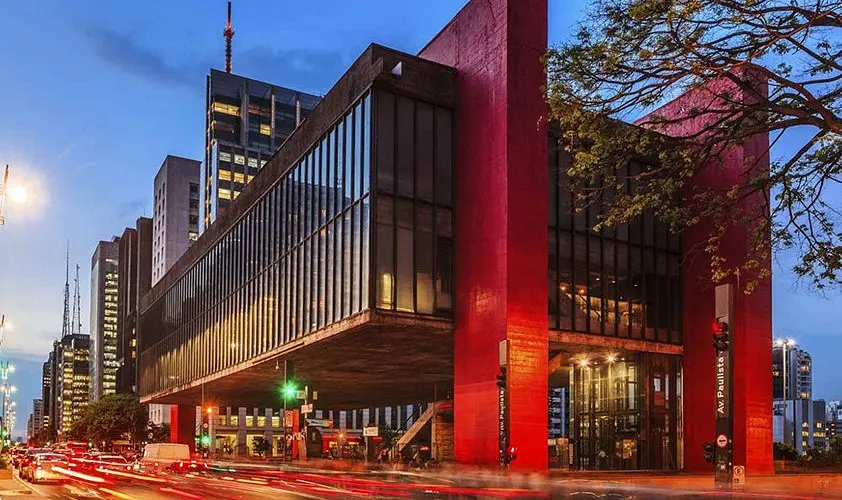
Even if you’re not an art obsessive, the building alone is worth the stop. And on Sundays, when Avenida Paulista closes to cars and fills with pedestrians, visiting MASP becomes part of a larger cultural experience.
2. Walk Down Avenida Paulista
If São Paulo has a main artery, this is it.
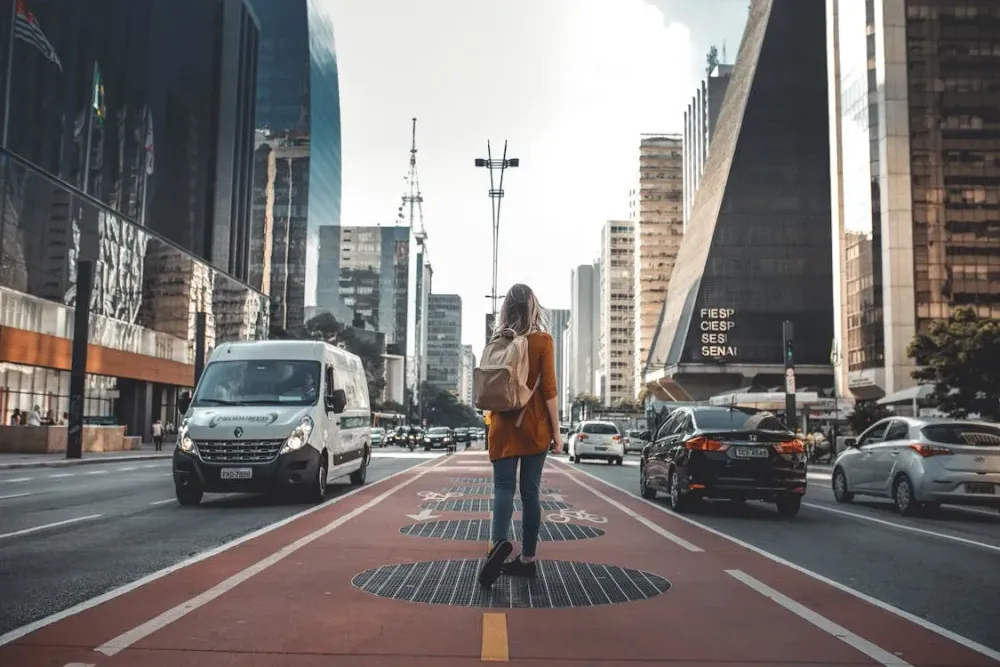
Stretching nearly three kilometers through the heart of the city, Avenida Paulista is where finance, culture, protest, nightlife, and everyday life collide. Skyscrapers rise on both sides — banks, media companies, cultural centers — but the avenue feels far more human than corporate.
On weekdays, it moves fast. Suits, students, and street vendors share the sidewalks. By night, rooftop bars and restaurants glow above the traffic.
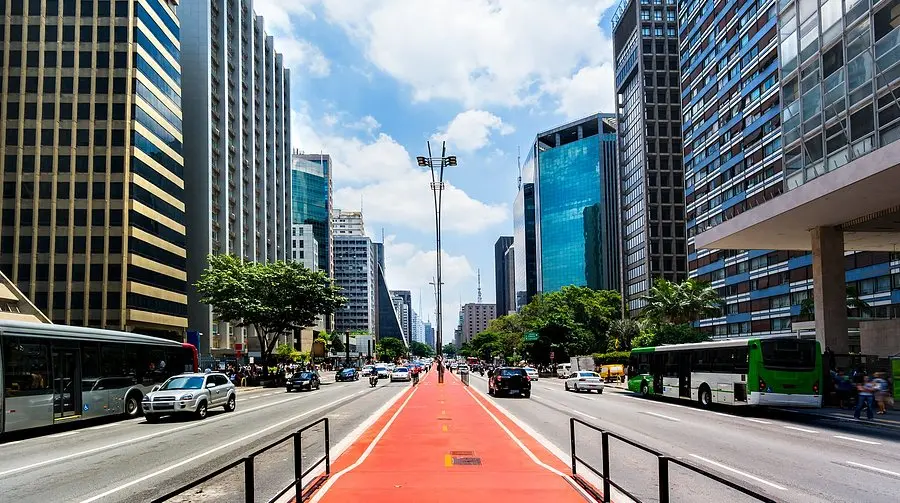
The avenue closes to cars and becomes one of the largest pedestrian spaces in the country. Cyclists take over the lanes. Street performers set up speakers. Artists display their work. Families stroll without rush. The city exhales.
3. Explore Vila Madalena
If Avenida Paulista shows you São Paulo’s power, Vila Madalena shows you its personality.
Once a quiet residential neighborhood, Vila Madalena has evolved into the city’s creative epicenter — equal parts art gallery, bar district, and open-air canvas. The area is best known for Beco do Batman, an alleyway turned graffiti landmark where murals change constantly, layered over one another in bold color and political commentary.
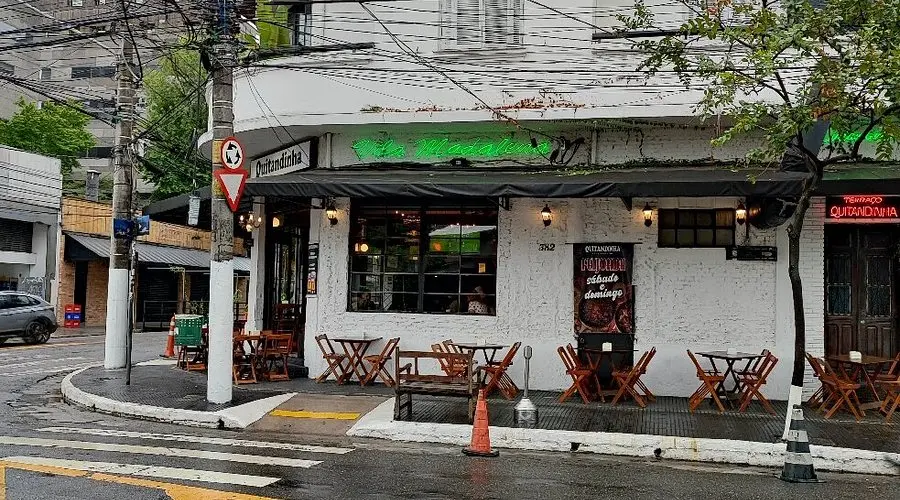
Boutique design shops, independent bookstores, and experimental galleries line its hilly streets. Cafés spill onto sidewalks during the day. At night, the neighborhood shifts into one of São Paulo’s liveliest nightlife zones, with samba bars, craft cocktail lounges, and live music venues drawing a young, creative crowd.
4. Discover the Mercado Municipal de São Paulo
If you want to taste São Paulo in one stop, come here hungry.
Opened in 1933, the Mercado Municipal de São Paulo — known locally as “Mercadão” — sits in a grand historic building with stained-glass windows and high arched ceilings. Inside, hundreds of stalls overflow with tropical fruits, cured meats, cheeses, spices, and imported delicacies.
But there’s one thing nearly everyone comes for: the mortadella sandwich.
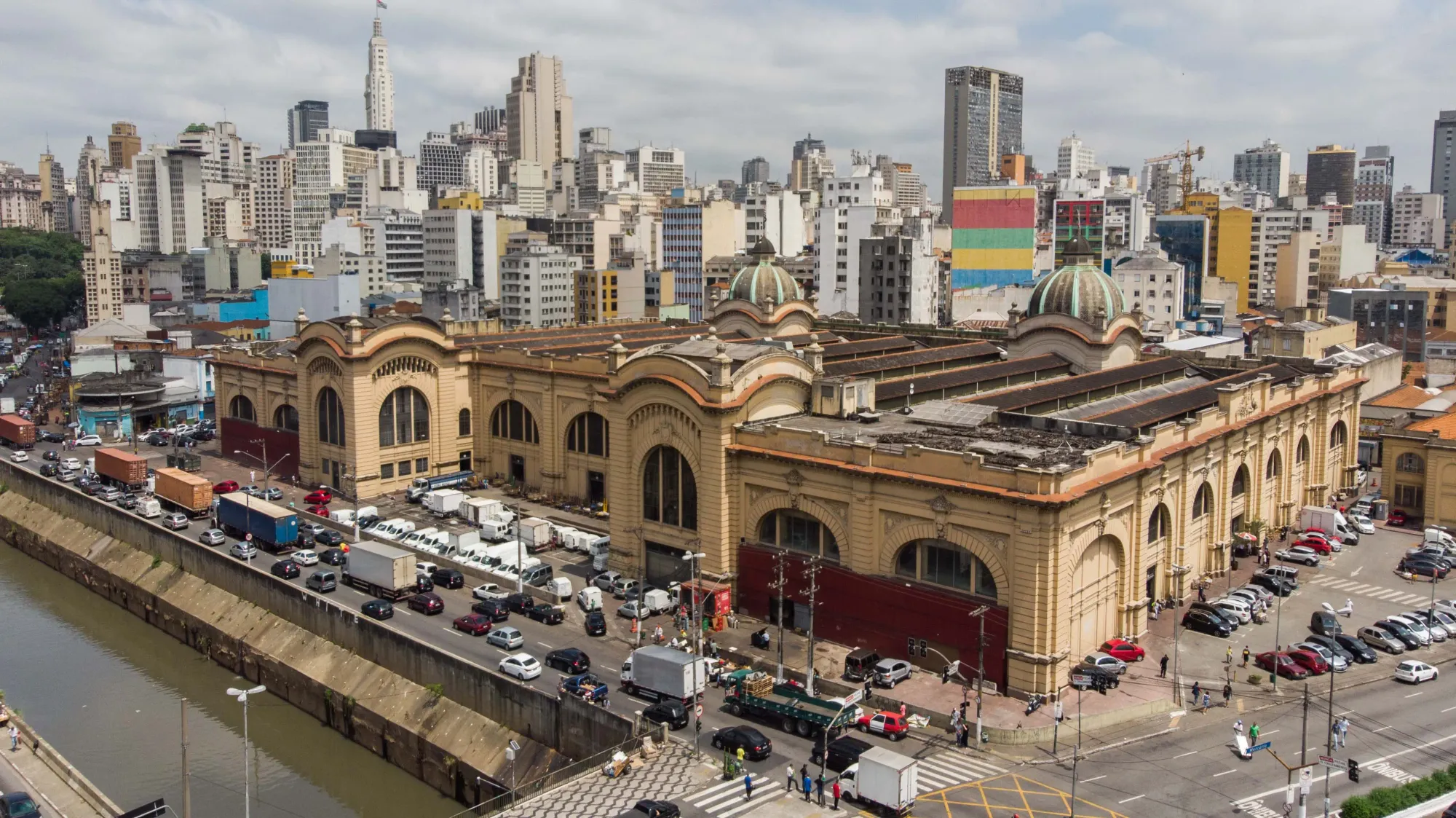
Stacked impossibly high with layers of Italian-style mortadella on crusty bread, it’s become a city icon. Another favorite is the pastel de bacalhau — crispy codfish fritters served hot and golden.
Beyond the famous bites, the market reflects São Paulo’s diversity. You’ll hear Portuguese, Japanese, Italian, and Arabic influences in the food and in the conversations. Vendors happily offer samples, turning a walk through the aisles into an informal tasting tour.
5. Relax in Ibirapuera Park
In a city of nearly 12 million people, space matters.
Ibirapuera Park is São Paulo’s answer to Central Park — a vast urban refuge of lakes, bike paths, museums, and open lawns right in the middle of the city. Designed in part by architect Oscar Niemeyer for the city’s 400th anniversary, the park blends nature with striking modernist structures.
Locals come here to jog, cycle, practice yoga, or simply lie in the shade beneath towering trees. On weekends, it fills with families, musicians, and picnic blankets. The skyline peeks through the greenery, a reminder that you’re still in one of the largest cities in the Western Hemisphere.
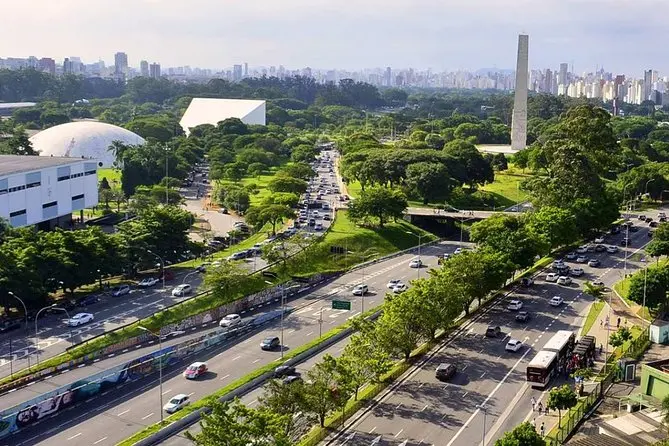
Within the park, you’ll also find major cultural venues, including the Museu de Arte Moderna and the white, curved Auditório Ibirapuera — a Niemeyer signature.
6. Climb to the Top of Edifício Itália
São Paulo doesn’t unfold gradually — it stretches endlessly.
One of the best ways to grasp the city’s sheer scale is from the top of Edifício Itália, one of the tallest buildings in Brazil. Located in the República district, this 46-story tower has been part of the skyline since the 1960s and remains one of the most recognizable vantage points in the city.
At the top sits Terraço Itália, a fine-dining restaurant and observation area offering sweeping panoramic views. From here, São Paulo feels infinite — a dense grid of high-rises fading into the horizon in every direction.
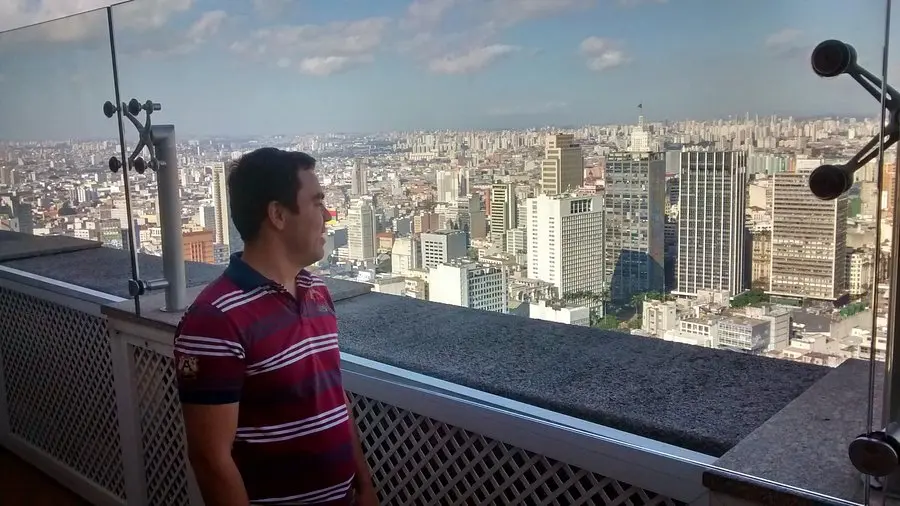
Unlike coastal cities, there’s no ocean to frame the skyline. Just architecture, stretching as far as the eye can see. It’s impressive. Slightly overwhelming. Completely urban.
7. Visit the Pinacoteca de São Paulo
Housed in a striking 19th-century brick building in the Luz district, the Pinacoteca de São Paulo is one of Brazil’s most important art institutions — and one of São Paulo’s most rewarding cultural stops.
Originally built in 1900, the structure itself is part of the appeal. Exposed brick walls, open courtyards, and glass walkways create a space that feels historic yet contemporary. The natural light filtering through the interior adds to the calm, almost contemplative atmosphere.
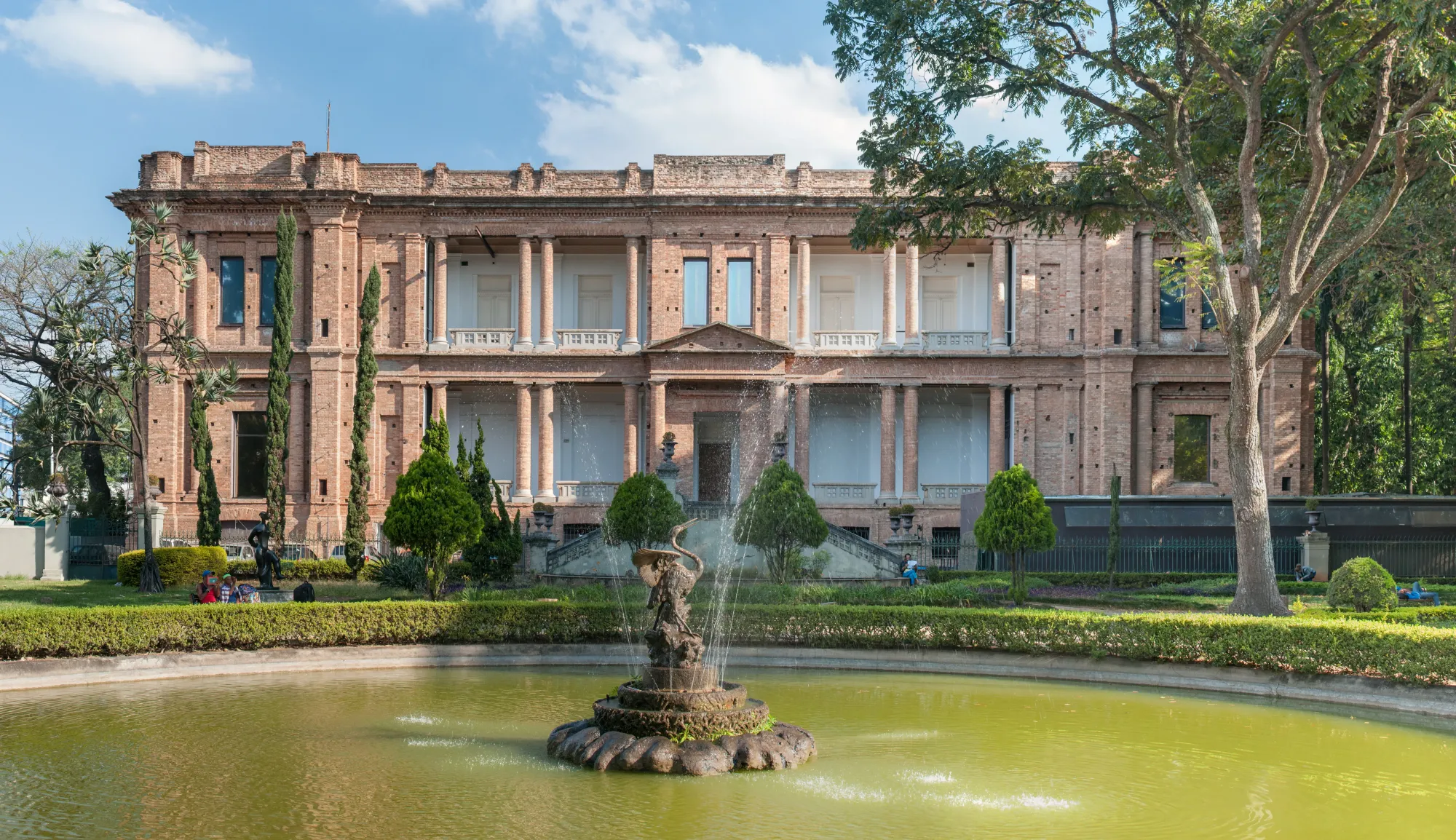
The collection focuses primarily on Brazilian art from the 19th century to the present. Here, you’ll encounter works that explore identity, politics, race, and modernism — themes that have shaped Brazil’s cultural narrative. It’s a deeper look at the country beyond its global stereotypes.
8. Explore Liberdade
In a city built by waves of immigration, Liberdade tells one of São Paulo’s most distinctive stories.
Home to the largest Japanese community outside Japan, Liberdade blends Brazilian energy with East Asian tradition. Red lantern-style streetlights line the sidewalks. Japanese markets, bakeries, and specialty shops sit beside Brazilian cafés and street vendors.
Weekends are the best time to visit. The neighborhood hosts open-air markets where you can try takoyaki, yakisoba, mochi, and fresh sugarcane juice within a few steps of one another. It’s lively, colorful, and deeply local.
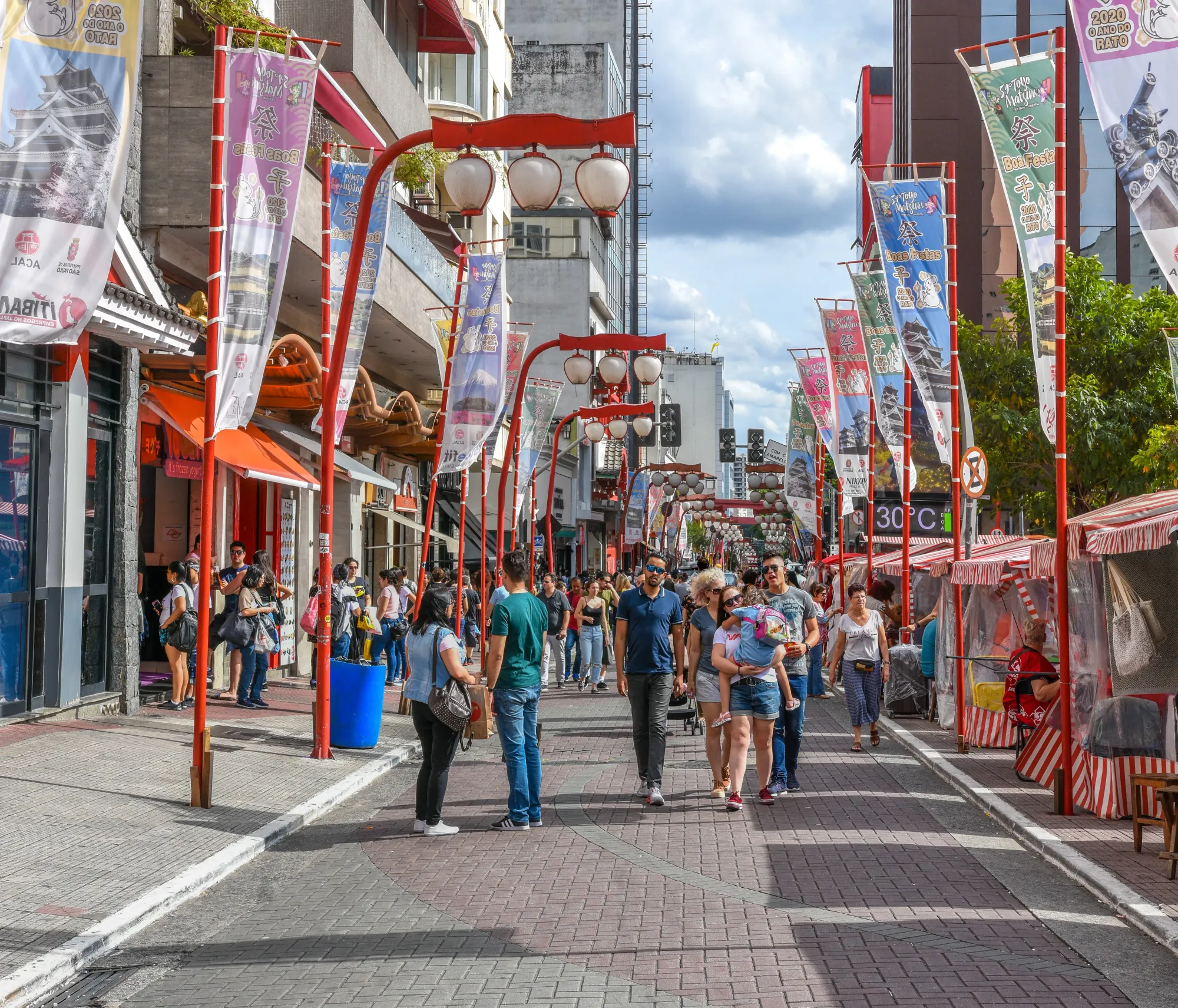
Beyond food, Liberdade reflects São Paulo’s multicultural identity. Buddhist temples, manga stores, Korean supermarkets, and Chinese herbal shops coexist within a few blocks. The area has expanded beyond its Japanese roots into a broader Asian cultural hub.
Conclusion
São Paulo is a city that never ceases to amaze, with its rich blend of cultures, flavors, and hidden treasures. Whether you’re chasing big attractions or secret corners, there’s always something new to uncover. I hope this guide helps you dive deeper into the soul of São Paulo, experiencing it like a true local. Embrace the diversity and savor every moment!
Looking for a place to stay? Karta offers unbeatable deals on vacation rentals throughout São Paulo.
Best Places to Eat in Sao Paulo
| # | Restaurant | Neighborhood | Cuisine / Specialty | Average Price Per Person (Food Only) |
|---|---|---|---|---|
| 1 | D.O.M. | Jardins | Brazilian Contemporary Fine Dining | BRL 550–900 |
| 2 | Maní | Jardins | Modern Brazilian | BRL 250–400 |
| 3 | Fasano | Jardins | Italian / Modern Cuisine | BRL 450–750 |
| 4 | Arturito | Pinheiros | International / Argentine | BRL 250–400 |
| 5 | Barbacoa | Multiple Locations | Brazilian Steakhouse | BRL 180–300 |
| 6 | Mercadão (Municipal Market) | Centro | Market Eats / Street Food | BRL 30–80 |
| 7 | Seu João | Jardins | Brazilian Comfort Food | BRL 90–160 |
| 8 | Jamile | Vila Madalena | Brazilian Fusion | BRL 180–280 |
| 9 | Tordesilhas | Jardins | Traditional Brazilian Cuisine | BRL 200–350 |
| 10 | Kinoshita | Jardins | Japanese / Contemporary | BRL 500–800 |
| 11 | Bráz Pizzaria | Moema | Neapolitan Pizza | BRL 70–120 |
| 12 | Chou | Pinheiros | Contemporary Bistro | BRL 200–320 |
Day Trips From Sao Paulo
| Location | Distance from São Paulo | Top Things to Do |
|---|---|---|
| Campos do Jordão | Approx. 170 km (2.5–3 hours) |
1. Explore Capivari district 2. Visit Amantikir Gardens 3. Ride the cable car to Morro do Elefante 4. Tour Ducha de Prata waterfalls 5. Enjoy European-style dining and chocolate shops |
| Santos | Approx. 80 km (1–1.5 hours) |
1. Relax on Santos Beach 2. Walk the world’s longest beachfront garden 3. Visit the Coffee Museum 4. Ride the Monte Serrat funicular 5. Explore the historic city center |
| Ilhabela | Approx. 210 km (3–4 hours incl. ferry) |
1. Swim at Praia do Curral 2. Hike to Cachoeira da Toca waterfall 3. Go snorkeling or diving 4. Explore colonial Vila district 5. Sail around the island coastline |
| Embu das Artes | Approx. 30 km (45 minutes) |
1. Browse artisan markets 2. Visit art galleries and craft shops 3. Enjoy live music on weekends 4. Explore colonial streets 5. Dine at local Brazilian restaurants |
| Atibaia | Approx. 65 km (1–1.5 hours) |
1. Hike Pedra Grande for panoramic views 2. Go paragliding 3. Visit strawberry farms (seasonal) 4. Explore local parks and lakes 5. Enjoy countryside restaurants |
| Holambra | Approx. 140 km (2 hours) |
1. Visit flower fields (seasonal blooms) 2. Explore Dutch-style architecture 3. Tour flower markets 4. Attend Expoflora festival (seasonal) 5. Enjoy Dutch-inspired cafés |
Best Time to Visit Sao Paulo
| Season | Months | Average Temperature | What to Expect | Best For |
|---|---|---|---|---|
| Summer | December – March | 20–30°C (68–86°F) | Hot, humid weather with frequent afternoon rain showers. Lively atmosphere as locals stay in the city while coastal areas fill up. | Nightlife, rooftop bars, cultural events, fewer business travelers. |
| Autumn | April – June | 15–25°C (59–77°F) | Mild temperatures, lower humidity, clearer skies. Comfortable for walking-heavy itineraries. | City exploration, food tours, museums, outdoor neighborhoods. |
| Winter (Dry Season) | July – September | 12–23°C (54–73°F) | Cooler, drier air and the lowest rainfall of the year. Evenings can feel crisp but days are pleasant. | Sightseeing, business travel, architectural tours, park visits. |
| Spring | October – November | 18–27°C (64–81°F) | Warming temperatures with occasional rain. City parks and outdoor spaces feel vibrant. | Balanced weather, photography, outdoor dining. |
How to Get Around in Sao Paulo
| Transportation Option | How It Works | Cost Estimate | Best For |
|---|---|---|---|
| Metro (Metrô) | Clean, efficient, and the fastest way to avoid traffic. Connects major districts like Paulista, Centro, Vila Madalena, and Luz. | Approx. BRL 5 per ride | Long-distance travel within the city, avoiding congestion. |
| Uber & Rideshare | Widely used and generally affordable. Safer and more predictable than hailing taxis on the street. | BRL 20–60 within central areas (varies by distance & time) | Door-to-door convenience, evenings, airport transfers. |
| Taxis | Available throughout the city. Metered fares; traffic can significantly increase travel time. | Base fare + distance (similar to Uber pricing) | Short trips or when rideshare wait times are high. |
| Buses | Extensive network reaching nearly all neighborhoods. Can be slower due to traffic and less intuitive for visitors. | Approx. BRL 5 per ride | Budget travel and local commuting. |
| Car Rental | Available at airports and major hubs. Not ideal for central travel due to traffic and parking limitations. | BRL 120–300 per day (varies by vehicle) | Day trips outside São Paulo (Santos, Campos do Jordão, Ilhabela). |
| Walking | Practical in specific neighborhoods like Avenida Paulista, Jardins, Vila Madalena, and Pinheiros. | Free | Exploring compact districts and cultural areas. |
| Airport Access | Guarulhos International Airport (GRU) is about 25 km from downtown. Accessible by Uber, taxi, airport bus, or train connection. | BRL 50–120 depending on transport method | Arrivals and departures. |
Cultural Tips & Laws in São Paulo
São Paulo is modern, diverse, and globally connected — but it operates within Brazilian social norms and legal frameworks. Understanding a few cultural expectations will make your visit smoother and more respectful.
Dress & Appearance
São Paulo is stylish but practical.
- Casual wear is common during the day
- Business districts lean more formal
- Upscale restaurants and rooftop bars expect smart casual attire
- Beachwear is not appropriate outside coastal areas
Locals generally dress well, especially in neighborhoods like Jardins and Itaim.
Social Etiquette
- Brazilians greet with a handshake or light cheek kiss (one kiss in São Paulo)
- Personal space is smaller than in many Western countries
- Conversations can be animated and expressive
- Punctuality is flexible in social settings, but expected in business
Safety Awareness
São Paulo is a major metropolis.
- Avoid displaying expensive phones or jewelry in crowded areas
- Use Uber instead of hailing random street taxis at night
- Stay aware in central districts after dark
This is precaution, not panic — millions move around daily without issue.
Alcohol & Smoking Laws
- Alcohol is legal and widely available
- Drinking in public is generally tolerated but not excessive behavior
- Smoking is prohibited in indoor public spaces, including bars and restaurants
Frequently Asked Questions (FAQ)
1. Is it safe to visit São Paulo?
Like any major city, staying alert is key, especially in busy or central areas at night. I recommend using rideshare apps like Uber for safer transportation.
2. What’s the best time of year to visit São Paulo?
I personally love visiting between April and June when the weather is cooler and drier. Spring (September to November) also brings sunny days and mild temperatures.
3. What’s the best way to get around São Paulo?
The metro is efficient for moving around central areas, while Uber or the 99 app are great for short trips or avoiding heavy traffic.
4. Where can I find good food in São Paulo?
Beyond traditional restaurants, check out street food fairs and local botecos. The food scene is diverse and full of hidden gems!