
9 Unique Things To Do In Asheville, North Carolina
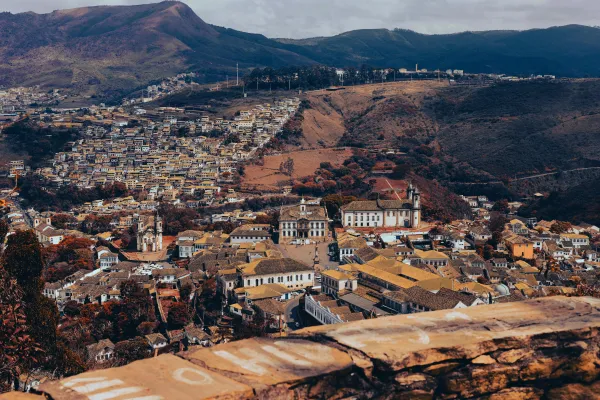
Once known primarily for its bohemian energy and historic architecture, Asheville now blends elevated dining, boutique hospitality, award-winning craft beverage culture, and outdoor experiences that rival luxury retreats out West. It offers something rare: the atmosphere of a small mountain town with the sophistication of a far larger city.
The presence of the iconic Biltmore Estate — America’s largest privately owned home — set the tone more than a century ago. Today, that legacy of grandeur continues through curated culinary experiences, high-end spas, art deco elegance, and scenic drives along the nearby Blue Ridge Parkway.
Here are 11 things to do in Asheville that elevate the experience beyond the expected.
1. Hunt the Thomas Dambo Troll Sculptures Around Asheville
Asheville has always leaned artistic. But giant, storybook trolls hidden in the forest? That’s new.
Danish environmental artist Thomas Dambo is known globally for building massive troll sculptures from reclaimed wood, and Asheville recently became home to one of his most ambitious installations in the United States. These aren’t small garden statues — they’re towering, hand-built figures constructed from recycled materials, placed deliberately in natural settings around the region.
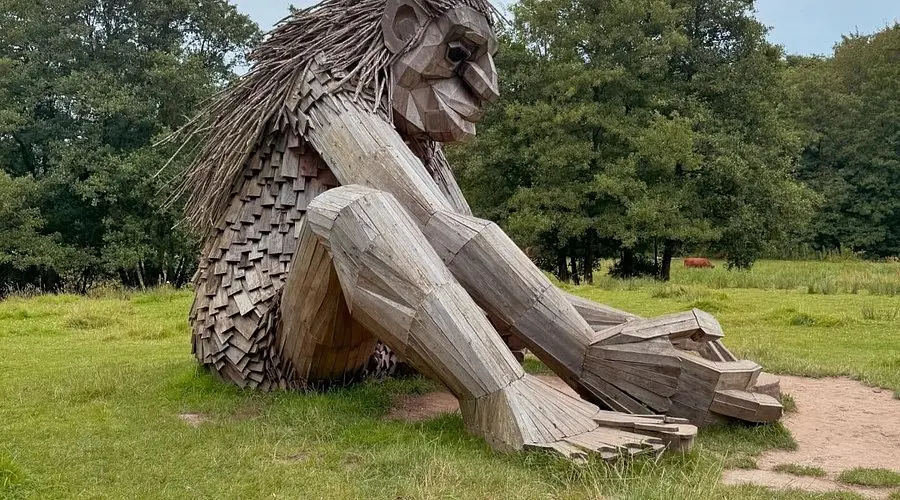
Finding them feels less like sightseeing and more like a curated treasure hunt. Trails wind through wooded parks and greenways, and then suddenly — there it is. A 15-foot wooden troll tucked between trees, blending into the Blue Ridge landscape as if it grew there.
What makes this especially compelling is the sustainability narrative. Dambo’s work centers on environmental awareness, reuse, and community collaboration. Local volunteers often help assemble the sculptures, turning the project into both public art and civic engagement.
It’s playful but substantial. Whimsical but intentional.
2. Visit the Biltmore Estate
Built in 1895 by George Washington Vanderbilt II, the Biltmore Estate remains the largest privately owned home in the United States, spanning 250 rooms across 8,000 acres in Asheville. The scale alone is staggering: 35 bedrooms, 43 bathrooms, 65 fireplaces, and a 70,000-gallon indoor swimming pool — all designed during America’s Gilded Age.
But the estate is far more than its mansion walls.
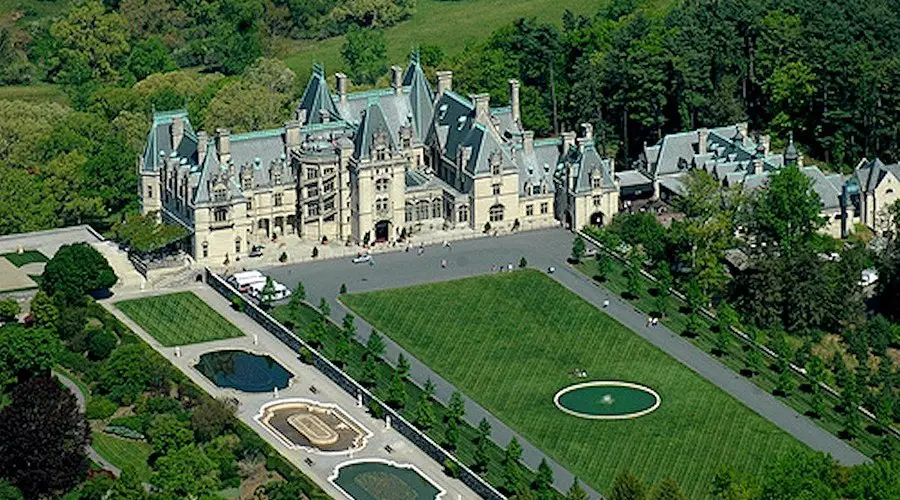
The gardens, designed by famed landscape architect Frederick Law Olmsted (who also co-designed Central Park), stretch across meticulously planned grounds that shift dramatically with the seasons — from spring tulip displays to vibrant autumn foliage.
Then there’s the winery, one of the most visited in the country, offering complimentary tastings within Antler Hill Village. Add in falconry, horseback riding, carriage tours, and curated dining experiences, and it becomes clear why Biltmore dominates nearly every Asheville itinerary.
3. Drive or Hike the Blue Ridge Parkway
If Biltmore defines Asheville’s grandeur, the Blue Ridge Parkway defines its soul.
Often called “America’s Favorite Drive,” the Blue Ridge Parkway stretches 469 miles through the Appalachian Highlands, connecting Shenandoah National Park to Great Smoky Mountains National Park. Asheville sits at one of its most scenic and accessible sections, making it a natural starting point.
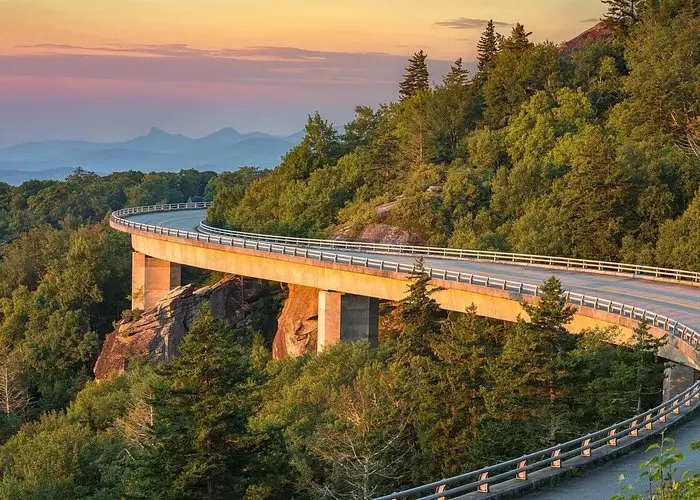
This isn’t an interstate built for speed. The parkway was engineered for experience. Curves are gentle. Speed limits are low. Overlooks appear every few miles, offering layered mountain views that shift from deep green in summer to electric orange in fall.
The appeal lies in its rhythm. You don’t rush the Blue Ridge Parkway. You pull over. You breathe. You watch fog settle into valleys at sunrise.
4. Explore Downtown Asheville
Downtown Asheville is compact — but layered.
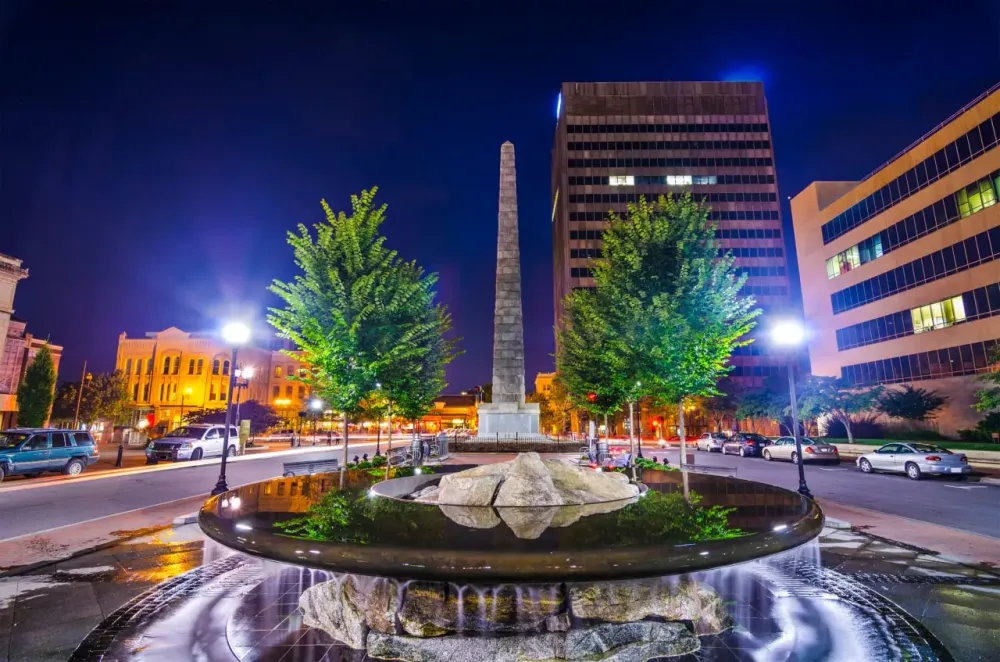
Within a few walkable blocks, you’ll find one of the most impressive collections of Art Deco architecture in the Southeast, a thriving independent restaurant scene, and a street culture that feels distinctly Appalachian yet unmistakably modern.
Historic buildings from the 1920s rise above locally owned bookstores, craft cocktail bars, vintage shops, and chef-driven dining rooms. The energy is steady but not frantic. Buskers perform on corners. Galleries stay open late. Side streets reveal tucked-away wine bars and rooftop lounges.
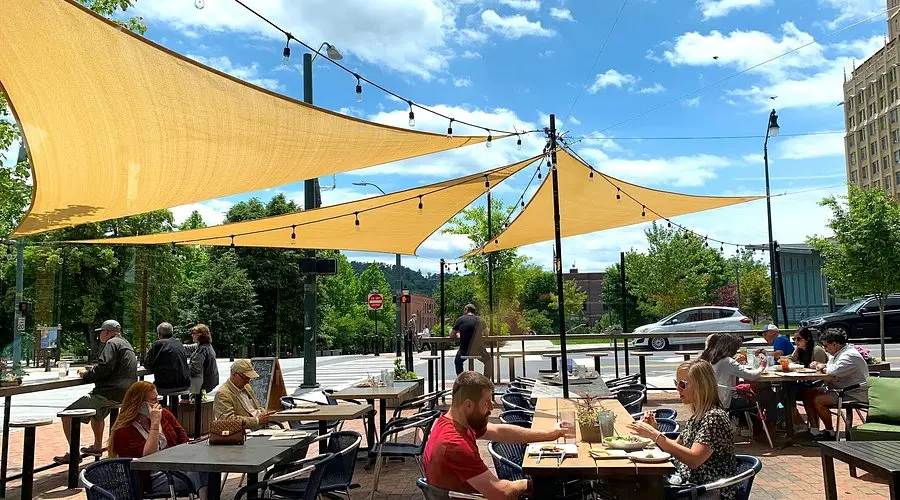
Pack Square anchors the district, while nearby landmarks like the Basilica of Saint Lawrence quietly remind you of the city’s architectural depth. Unlike larger Southern cities, downtown Asheville hasn’t been overtaken by chains — independent businesses still define the character.
It’s also where Asheville’s culinary reputation takes shape. Farm-to-table isn’t marketing language here; it’s regional habit. Menus change with the season. Breweries and tasting rooms sit within walking distance of fine dining establishments.
5. Discover the River Arts District
If downtown showcases Asheville’s polish, the River Arts District reveals its process.
Set along the French Broad River, this former industrial corridor has transformed into one of the Southeast’s most concentrated creative communities. Old warehouses and mills now house working studios where visitors can watch painters, ceramicists, glassblowers, and printmakers at work — not behind velvet ropes, but in active, open-door spaces.
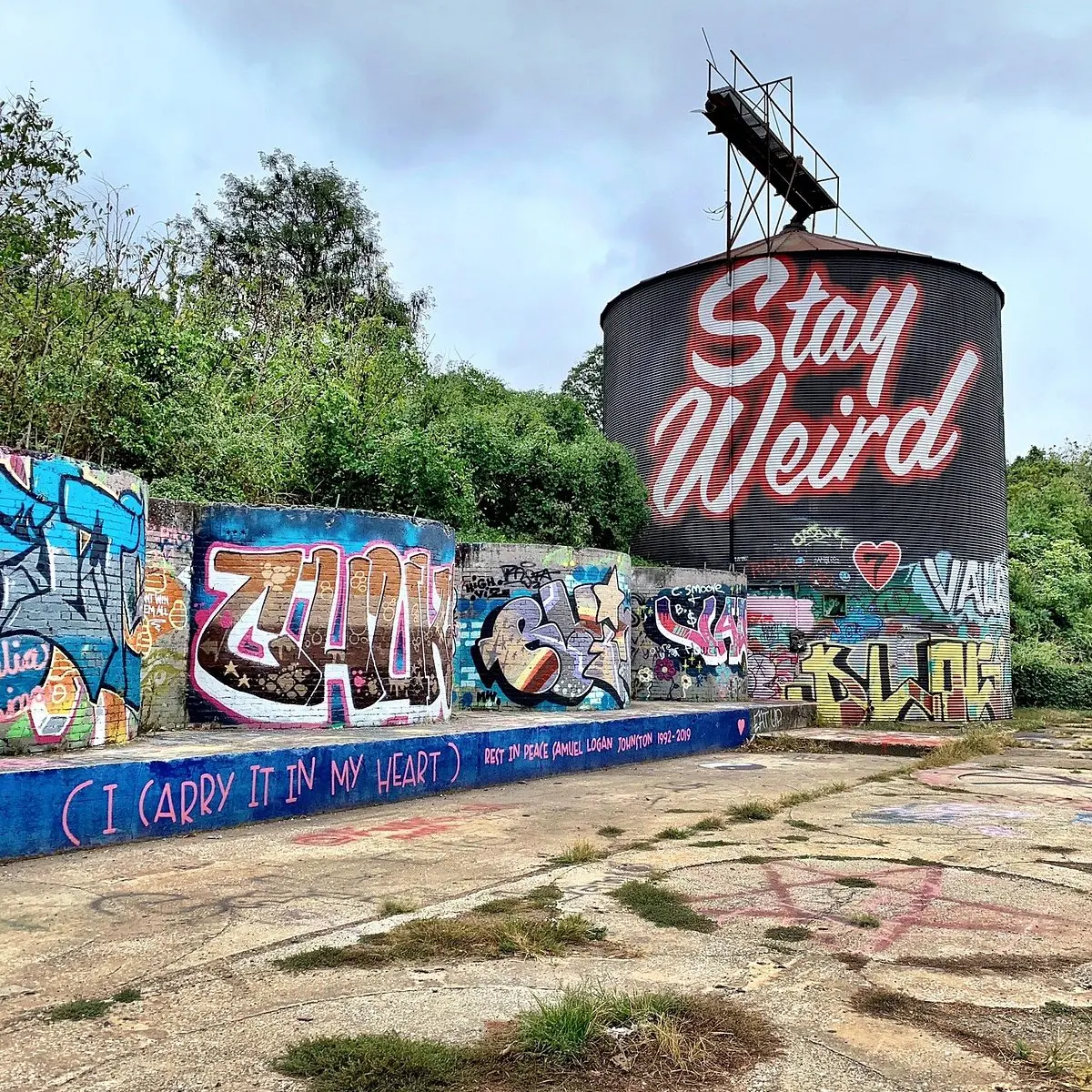
More than 200 artists operate within the district, making it less of a gallery row and more of a functioning ecosystem. You’re not just browsing finished pieces; you’re seeing works mid-creation, asking questions, sometimes even commissioning custom pieces directly from the maker.
The district has evolved rapidly in recent years. New restaurants, craft breweries, and design-forward cafes have layered onto the creative base, giving the area a sharper edge while preserving its industrial texture.
6. Visit the North Carolina Arboretum
Set just minutes from downtown near the entrance to the Blue Ridge Parkway, the North Carolina Arboretum offers a more curated encounter with the region’s landscape.
Spanning 434 acres within Pisgah National Forest, the Arboretum blends cultivated gardens with forest trails and research landscapes. It’s not a manicured city park — it’s a living collection of Southern Appalachian flora, framed by mountain ridgelines.
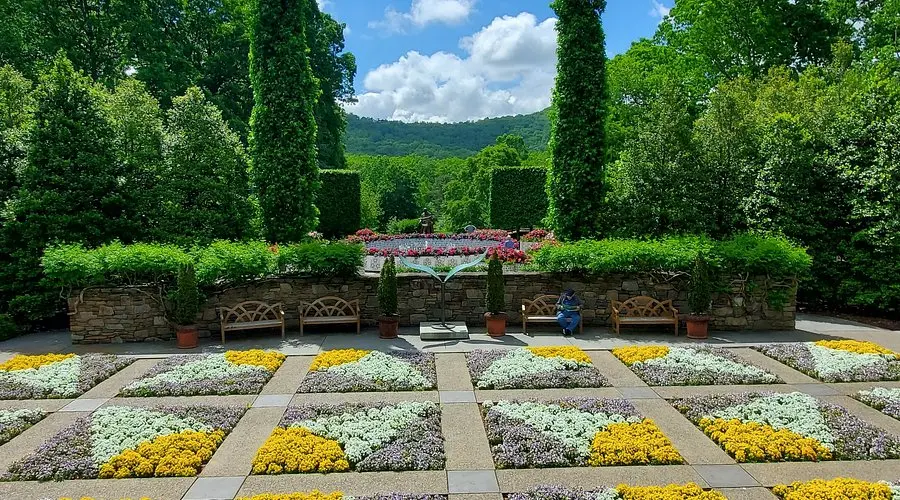
The Bonsai Exhibition Garden is a highlight, housing one of the most significant public bonsai collections in the United States. Seasonal displays rotate throughout the year, from spring blooms to autumn color that mirrors the surrounding hills. Wide walking paths make it accessible, while longer trail systems connect to deeper forest terrain.
Beyond aesthetics, the Arboretum functions as an educational and conservation center, hosting plant research, sustainability initiatives, and environmental programs.
7. Browse the Historic Grove Arcade
Built in 1929, the Grove Arcade stands as one of downtown Asheville’s most distinctive architectural landmarks. Commissioned by developer E.W. Grove, the building was originally envisioned as a public market and commercial hub — and nearly a century later, it still serves that purpose, albeit in a more curated form.
The structure itself is worth noticing. Arched stone facades, vaulted ceilings, and original detailing reflect Asheville’s early 20th-century ambition, when the city was positioning itself as a refined mountain retreat.
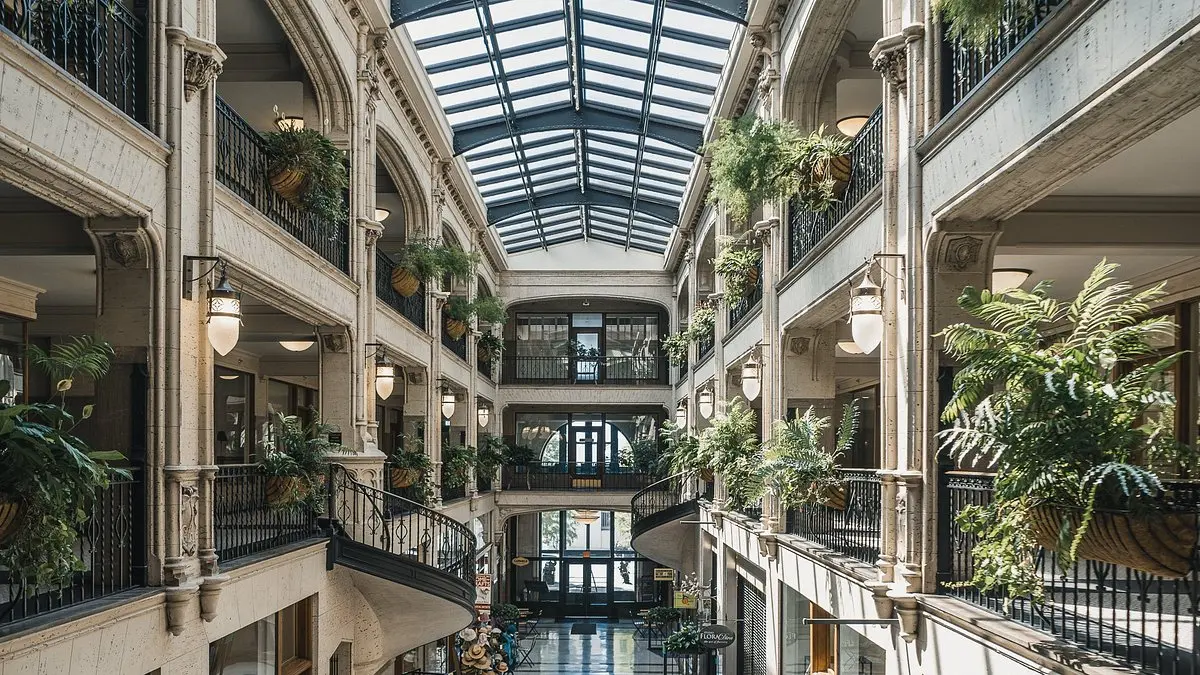
Inside, you’ll find a mix of independent boutiques, artisan shops, specialty food vendors, and local design brands. It’s not a typical mall experience — no large chains, no uniform storefronts. Instead, the Arcade feels layered and intimate, with small businesses occupying restored spaces that retain historical character.
In recent years, the building has leaned further into its artisan identity, attracting specialty retailers and locally rooted brands that reinforce Asheville’s independent culture.
It’s an easy stop while exploring downtown, but more than that, it represents continuity — a historic commercial space still functioning as intended, adapted thoughtfully for modern visitors.
8. Explore the Asheville Pinball Museum
Not every standout experience in Asheville is historic or scenic. Some are loud, flashing, and unapologetically nostalgic.
The Asheville Pinball Museum houses more than 80 vintage pinball machines and classic arcade games, many dating back to the 1960s and 1970s. Unlike traditional museums, this one is fully interactive. You pay a flat admission fee, and every machine inside is set to free play.
It’s part preservation project, part time capsule.

The collection includes rare and restored machines that chart the evolution of pinball design — from mechanical score reels to modern digital displays. For enthusiasts, it’s a technical history lesson. For everyone else, it’s simply addictive.
Located in the heart of downtown Asheville, it offers a playful counterbalance to art galleries and craft breweries. The atmosphere is casual, energetic, and surprisingly multigenerational — parents revisiting childhood favorites alongside younger players discovering analog gaming for the first time.
9. Wander the Folk Art Center
Perched directly along the Blue Ridge Parkway, the Folk Art Center is one of the most visited cultural stops in the region — drawing more than 250,000 visitors annually.
Operated by the Southern Highland Craft Guild, the center showcases traditional and contemporary Appalachian craft across multiple galleries. This isn’t a souvenir shop. It’s a curated collection of fine woodworking, handwoven textiles, ceramics, glass, metalwork, and regional folk art that reflects generations of mountain craftsmanship.
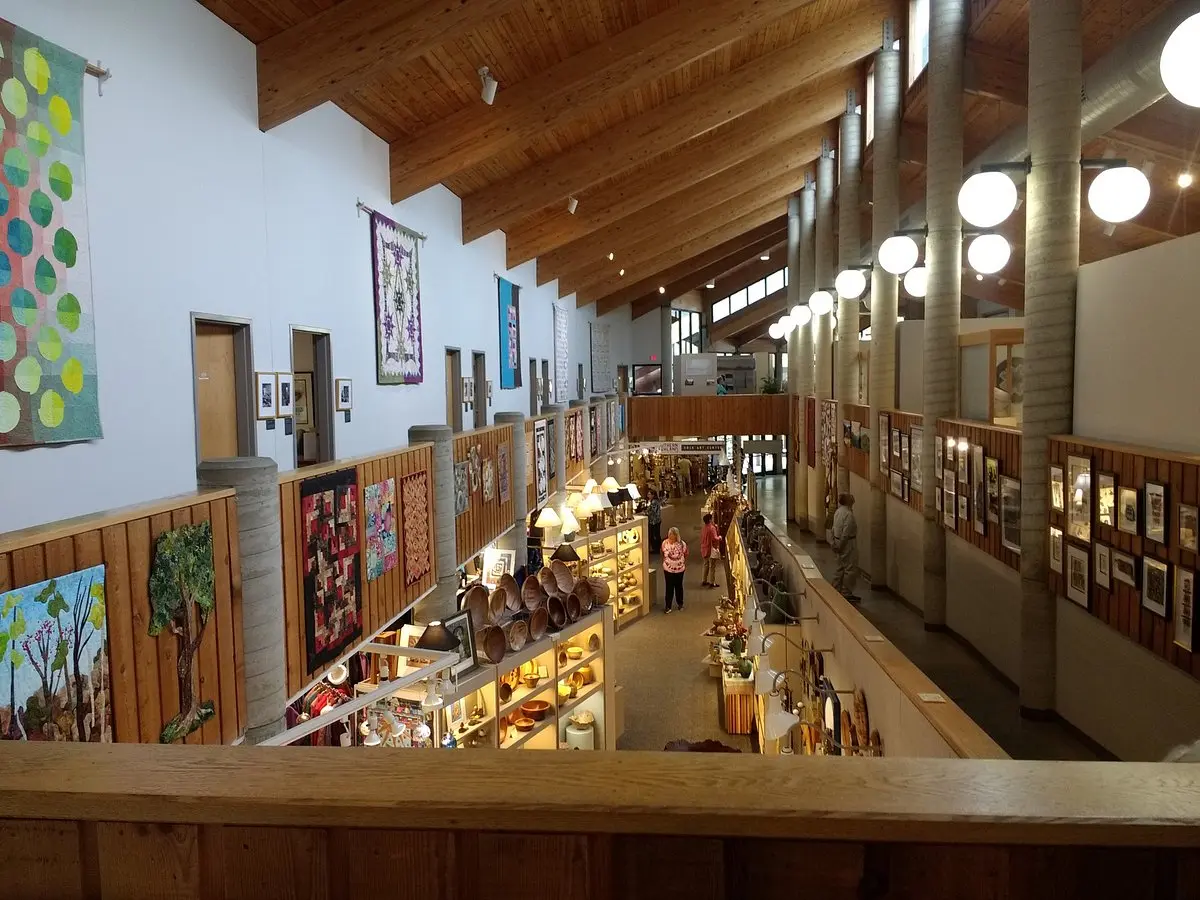
The permanent exhibition traces the evolution of craft in the Southern Highlands — from utilitarian tools and quilts to museum-quality design pieces. Demonstrations are frequently held on-site, allowing visitors to watch artisans work in real time.
Large windows frame views of the surrounding Blue Ridge landscape, reinforcing the connection between place and process. The craft traditions highlighted here are deeply rooted in the geography and history of Western North Carolina.
Conclusion
Asheville doesn’t compete on size. Within a few square miles, you move from America’s largest private home to one of the country’s most scenic highways, from working artist studios to mountaintop overlooks, from historic arcades to living craft traditions. Few mountain towns balance refinement and authenticity as seamlessly as Asheville. The presence of the Biltmore Estate sets a tone of legacy and scale, while the Blue Ridge Parkway reminds you that nature is always within reach.
What ultimately defines Asheville is its layering — Gilded Age ambition, Appalachian heritage, independent creativity, and modern culinary polish all coexisting without feeling forced. It’s refined but not sterile. Creative but not chaotic. Scenic without trying too hard.
So, planning to visit? Book your perfect vacation rental in Asheville on Karta!
Best Places to Eat in Asheville
| # | Restaurant | Address | Cuisine | Average Price (Per Person) |
|---|---|---|---|---|
| 1 | Cúrate Bar de Tapas | 13 Biltmore Ave, Asheville, NC | Spanish Tapas | $40–$70 |
| 2 | Chestnut | 48 Biltmore Ave, Asheville, NC | New American | $30–$60 |
| 3 | Posana | 1 Biltmore Ave, Asheville, NC | Contemporary American | $40–$75 |
| 4 | Corner Kitchen | 3 Boston Way, Asheville, NC | Southern / American | $25–$50 |
| 5 | Tupelo Honey Southern Kitchen & Bar | 12 College St, Asheville, NC | Southern Comfort | $20–$40 |
| 6 | Ukiah | 121 Biltmore Ave, Asheville, NC | Japanese Smokehouse | $35–$65 |
| 7 | Little Chango | 134 Coxe Ave, Asheville, NC | Latin-Inspired Small Plates | $30–$60 |
| 8 | Wicked Weed Funkatorium | 147 Coxe Ave, Asheville, NC | Brewpub / American | $20–$45 |
| 9 | Pack's Tavern | 20 S Spruce St, Asheville, NC | Gastropub | $20–$40 |
| 10 | Rhubarb | 7 SW Pack Square, Asheville, NC | Farm-to-Table American | $35–$65 |
| 11 | The Admiral | 400 Haywood Rd, Asheville, NC | Eclectic American | $30–$55 |
| 12 | Vivian | 348 Depot St #190, Asheville, NC | French Bistro | $35–$70 |
Day Trips From Asheville, NC
| Location | Distance from Asheville | Top Things to Do |
|---|---|---|
| Great Smoky Mountains National Park | Approx. 60 miles (1–1.5 hours) |
1. Drive Newfound Gap Road 2. Hike Clingmans Dome 3. Explore Cades Cove 4. Spot black bears & wildlife 5. Visit historic Appalachian cabins |
| Hendersonville, NC | Approx. 25 miles (35–40 minutes) |
1. Stroll Main Street shops 2. Visit apple orchards (seasonal) 3. Tour local wineries 4. Explore Jump Off Rock overlook 5. Visit the Mineral & Lapidary Museum |
| Chimney Rock State Park | Approx. 30 miles (45 minutes) |
1. Climb Chimney Rock summit 2. Hike Hickory Nut Falls trail 3. Enjoy Lake Lure views 4. Picnic at scenic overlooks 5. Photograph mountain vistas |
| Brevard, NC | Approx. 35 miles (45–50 minutes) |
1. Explore Pisgah National Forest 2. Visit Looking Glass Falls 3. Hike Sliding Rock 4. Explore downtown Brevard 5. Mountain biking trails |
| Highlands, NC | Approx. 85 miles (2 hours) |
1. Visit Dry Falls & Bridal Veil Falls 2. Shop upscale boutiques 3. Hike Whiteside Mountain 4. Explore Nantahala National Forest 5. Enjoy luxury mountain dining |
| Boone, NC | Approx. 90 miles (2 hours) |
1. Visit Grandfather Mountain 2. Walk the Mile High Swinging Bridge 3. Drive scenic Blue Ridge routes 4. Explore Appalachian State campus 5. Hike Rough Ridge Trail |
Best Time to Visit Asheville, NC
| Season | Months | Average Temperature | What to Expect | Best For |
|---|---|---|---|---|
| Spring | March – May | 50–75°F | Blooming wildflowers, flowing waterfalls, moderate crowds, fresh mountain scenery. | Hiking, garden visits, scenic drives without peak-season crowds. |
| Summer | June – August | 70–85°F | Lush green mountains, festivals, lively brewery patios, peak outdoor activity. | Outdoor adventures, live music, vibrant downtown atmosphere. |
| Fall (Peak Season) | September – November | 45–75°F | Stunning fall foliage, crisp air, busiest tourism season, higher accommodation rates. | Scenic drives, photography, romantic getaways, Blue Ridge Parkway views. |
| Winter | December – February | 30–55°F | Fewer tourists, occasional snow, lower hotel prices, quieter downtown experience. | Cozy retreats, spa weekends, peaceful exploration. |
How to Get Around in Asheville, NC
| Transportation Option | How It Works | Cost Estimate | Best For |
|---|---|---|---|
| Rental Car | The most practical option. Asheville is spread out, and many attractions (Blue Ridge Parkway, waterfalls, national forests) require driving. | $40–$90 per day (varies by season) | Scenic drives, day trips, maximum flexibility. |
| Walking (Downtown) | Downtown Asheville is compact and highly walkable with shops, restaurants, and galleries within a few blocks. | Free | Exploring downtown, dining, breweries, shopping. |
| Rideshare (Uber / Lyft) | Available throughout the city. Reliable for short trips but can be limited late at night or in remote mountain areas. | $10–$30 per ride (within city) | Nights out, airport transfers, short in-town travel. |
| Public Transit (ART Bus) | Asheville Rides Transit (ART) operates local bus routes around the city and nearby neighborhoods. | Approx. $1 per ride | Budget travel within city limits. |
| Biking | Suitable in certain areas like greenways and parts of downtown, but the city’s hills can make cycling challenging. | Bike rentals from $25–$50 per day | Active travelers, short scenic routes. |
| Airport Access | Asheville Regional Airport (AVL) is about 15 miles south of downtown. Accessible by car or rideshare. | $25–$40 by rideshare | Arrivals and departures. |
FAQ
1. What is Asheville, North Carolina, best known for?
Asheville is renowned for its vibrant art scene, historic architecture like the Biltmore Estate, and its proximity to the stunning Blue Ridge Mountains, making it a hub for both culture and outdoor activities.
2. Are there any unique food experiences in Asheville?
Yes! Asheville is a food lover's paradise. Enjoy farm-to-table dining at Rhubarb, try local brews on the Asheville Ale Trail, or visit French Broad Chocolate Lounge for handcrafted desserts.
3. What are some hidden gems or off-the-beaten-path activities in Asheville?
Visit Navitat Canopy Adventures for ziplining through the forest, or explore Bent Creek Experimental Forest, a less-crowded spot for hiking and biking. Don’t miss Beaver Lake Bird Sanctuary for peaceful nature trails.
4. What is the best time of year to visit Asheville?
The best time to visit Asheville is during fall (September-November) for vibrant foliage in the Blue Ridge Mountains or spring (March-May) for blooming wildflowers and mild weather.